Homes across Alpharetta see the same pattern every summer. The main living area feels comfortable, but the bonus room over the garage bakes. The upstairs office runs five degrees warmer after lunch. A guest room in Windward never cools down, even though the thermostat shows the setpoint. This is not random. It comes down to airflow, insulation, equipment sizing, and controls. Here is how a technician from One Hour Heating & Air Conditioning thinks through it, and what fixes actually work for HVAC Alpharetta homes.
How heat builds up in specific rooms
Heat moves from hot to cool until something stops it. Sun-facing walls and large windows let heat in. Attics and garages radiate heat into rooms that share walls or ceilings. Electronics, cooking, and people add internal load. If the ductwork cannot deliver enough cool air, or the return path is poor, the room runs hot. In Alpharetta’s humid summers, moisture adds to the discomfort. A room at 75 degrees with high humidity feels warmer than a dry room at the same temperature.
In the field, the most common hotspots are rooms over garages, south and west bedrooms, sunrooms near Avalon-style glass walls, and finished attics in the 30004 and 30022 zip codes. Newer builds can still have issues if the system is oversized or the duct layout favors short runs close to the air handler.
Airflow: the first suspect
Airflow fixes many hot-room complaints. A room that does not receive enough supply air cannot shed its heat load. A blocked or undersized return traps the warm air inside the room. Technicians start with simple checks and measurements.
They look for closed or choking vents, crushed flex ducts, long runs with too many bends, and weak blower settings. Static pressure tells a lot. If external static is high, the blower struggles, and distant rooms suffer first. A failing blower motor or a worn run capacitor can also cut airflow. If there is a grinding noise at the air handler or short cycling at the condenser, a deeper diagnostic follows.
Duct problems that cause uneven rooms
Duct design often creates the gap between upstairs and downstairs comfort. In one Glen Abbey home, the master suite was three degrees hotter every afternoon. The supply trunk feeding the second floor necked down too early, and a trusted HVAC Alpharetta branch to the back corner had two tight turns. The fix was modest. Increase the branch diameter by one size, remove a sharp elbow, seal leaks with mastic, and rebalance. The room dropped by 2 to 3 degrees under the same outdoor conditions near Wills Park.
Leaky ducts in attics are another common cause. A six percent leak robs airflow where it matters. In Alpharetta’s humid summers, duct leaks also pull hot, damp attic air into the system, which raises indoor humidity and makes rooms feel sticky. Sealing joints and insulating exposed runs help a lot.
Insulation and the building shell
A room over a garage often runs hot for two reasons. The garage ceiling lacks proper insulation, and the air barrier is weak. Heat soaks through the subfloor and spills into the room. Add sun from a west-facing wall, and the load spikes. Blown-in attic insulation, garage ceiling insulation upgrades, and window treatments make a clear difference. Even a small fix like sealing can lights and attic hatches near the room can trim a degree or two.
For sunrooms and large window walls near Big Creek Greenway or Avalon, low-e glass and interior shading reduce the radiant load. Without these, an HVAC system must supply more cool air than the ducts can deliver.
Equipment sizing and short cycling
Bigger is not better. An oversized air conditioner cools the thermostat area fast and shuts off. The rest of the house, especially distant rooms, never sees enough runtime. Humidity stays high. Comfort suffers. Short cycling also strains compressors and contactors. A variable-speed or properly sized system runs longer at lower capacity. It evens out temperatures and removes more moisture. Homes in Country Club of the South with complex layouts benefit from modulating systems and well-planned zoning.
If a system short cycles, technicians check the thermostat location, refrigerant charge, dirty air filters, frozen evaporator coils, and clogged condensate drains. A refrigerant leak or a failing expansion valve can pull coil temperature down too far and cause icing. In those cases, the fix targets the root cause, not just the symptom.
Zoning, dampers, and smart control
Zoning splits a home into areas with separate thermostats and motorized dampers. It solves the classic “cool upstairs, warm downstairs” fight. For a Milton home with a large staircase and catwalk, adding a second zone to the existing variable-speed air handler balanced comfort without a second system. Smart thermostats can manage staging, blower speeds, and dehumidification. That matters in Alpharetta where late-day humidity creeps up even when temperatures drop.
Poorly tuned zoning can cause low airflow over the coil if too many dampers close at once. Bypass strategies and minimum airflow settings protect compressors and evaporator coils. One Hour techs set these to manufacturer specs for Trane, Lennox, Carrier, and American Standard systems.
Humidity and why it makes rooms feel hotter
High indoor humidity makes a room feel warmer at the same temperature. A clogged condensate drain or a dirty evaporator coil reduces moisture removal. So does an oversized unit that cycles off too fast. A variable-speed system with proper charge and clean coils pulls more water out of the air. In some Alpharetta basements, a dedicated whole-home dehumidifier ties into the return for better control during shoulder seasons.
Mechanical issues that hide behind hot rooms
Uneven temperatures can point to failing parts. A weak run capacitor drops blower performance. A worn compressor struggles to maintain suction pressure, so the system cools less on long runs to upstairs rooms. A dirty condenser coil near North Point Mall traffic dust chokes heat rejection. A sticky contactor or a failing circuit board can cause intermittent cooling and hot spikes in specific rooms.
Technicians look for these signs while diagnosing uneven comfort:
- Low airflow readings at distant supply registers, even with vents open Short cycling with cold supply air but poor humidity control Unusual noises from the blower motor or outdoor fan blade
Why homes near Alpharetta need fine-tuned systems
Alpharetta and North Fulton live in a humid subtropical climate. Summers are long and sticky. Winters are cool with occasional cold snaps. High-SEER central air conditioners and hybrid heat pumps perform well here, but they need setup for long, low-stage cooling and dehumidification. Variable-speed air handlers, smart thermostats, and clean filtration keep airflow stable and air clean. In larger estates from White Columns to Crooked Creek, zoning and duct design matter as much as the equipment brand.
One Hour Heating & Air Conditioning services central air conditioners, gas and electric furnaces, ductless mini-splits, hybrid heat pumps, and zoned HVAC systems. For homes near the Ameris Bank Amphitheatre and Alpharetta City Center, fast access helps during peak heat. Service trucks are often seen near Avalon and along the Big Creek Greenway, covering 30004, 30005, 30009, 30022, and 30023, plus nearby Milton, Johns Creek, Roswell, Cumming, and parts of Forsyth County.
What a proper diagnostic looks like
A good visit starts with a load conversation: which rooms, what time of day, and how many degrees off. Then comes testing. Static pressure across the air handler. Temperature split at the coil. Airflow readings at problem rooms. Visual duct inspection in the attic. Coil and filter condition. Condensate drain check. Refrigerant circuit check for charge issues, expansion valve function, and signs of a refrigerant leak. Electrical tests on contactor, circuit board, and run capacitor. If a furnace supports the system, the tech inspects the heat exchanger, flame sensor, and igniter for winter reliability.
In many calls, the fix blends small steps. Seal two duct leaks. Up the blower tap one step to hit target CFM. Clean a dirty evaporator coil. Rebalance three dampers. Set a smart thermostat to dehumidification mode with a 1 to 2 degree overcooling allowance. These low-cost changes often remove a 3 to 5 degree room gap.
When upgrades make sense
If the system is older than 12 to 15 years or has a history of compressor or condenser coil failures, upgrades may be smarter. A high-SEER heat pump with a variable-speed air handler steadies temperature across floors. For luxury homes near Downtown Alpharetta, a modulating American Standard or Lennox system fits well. Ductless mini-splits handle bonus rooms over garages without running new trunk lines. In tight envelopes, smart thermostats manage humidity and airflow logic better than legacy controls.
For allergy concerns, advanced air filtration and indoor air quality products help. Media filters, air filtration systems, UV enhancements, and well-sealed returns reduce dust and pollen that collect in warm rooms. Duct cleaning can be appropriate if there is evidence of heavy buildup, odors, or visible debris, especially after renovations.
Brand expertise and parts that matter
One Hour services Trane, Carrier, Lennox, American Standard, Daikin, Goodman, Rheem, York, Bryant, and Amana. Factory-style repairs use correct parts and specifications. On AC calls in Alpharetta, the team often replaces worn contactors, tired capacitors, and clogged expansion valves. For furnaces, technicians inspect flame sensors, igniters, and cracked heat exchangers that can trigger lockouts. With heat pumps, they confirm defrost logic and check the reversing valve for proper operation.
Quick homeowner checks before calling
- Open the supply and return vents fully in the hot room and nearby hallway Replace a dirty air filter and clear furniture from returns Set the fan to Auto, not On, to allow better dehumidification Close blinds on south and west windows during peak afternoon sun If safe, look for kinks or crushed spots on visible flex ducts in the attic
If the room stays hot after these steps, schedule service. Persistent uneven temperatures often point to a deeper airflow, duct, or refrigeration issue.
Why locals choose One Hour in Alpharetta
One Hour Heating & Air Conditioning focuses on punctuality, clean work, and results. The promise is simple. Always On Time Or You Don’t Pay A Dime. NATE-certified technicians are trained for Georgia humidity and the load swings common in North Fulton County. The team offers 24/7 emergency service for AC and furnace failures, works across 30004 and 30022, and understands the demands of both newer Windward builds and older Roswell layouts.
For HVAC Alpharetta needs, the approach is practical. Diagnose failing compressors and replace worn run capacitors when cooling capacity drops. Clean or replace clogged evaporator coils. Fix weak airflow at the source. Optimize system staging with smart thermostats. Balance and seal ducts. Where needed, design zoning that matches how the family uses the space.
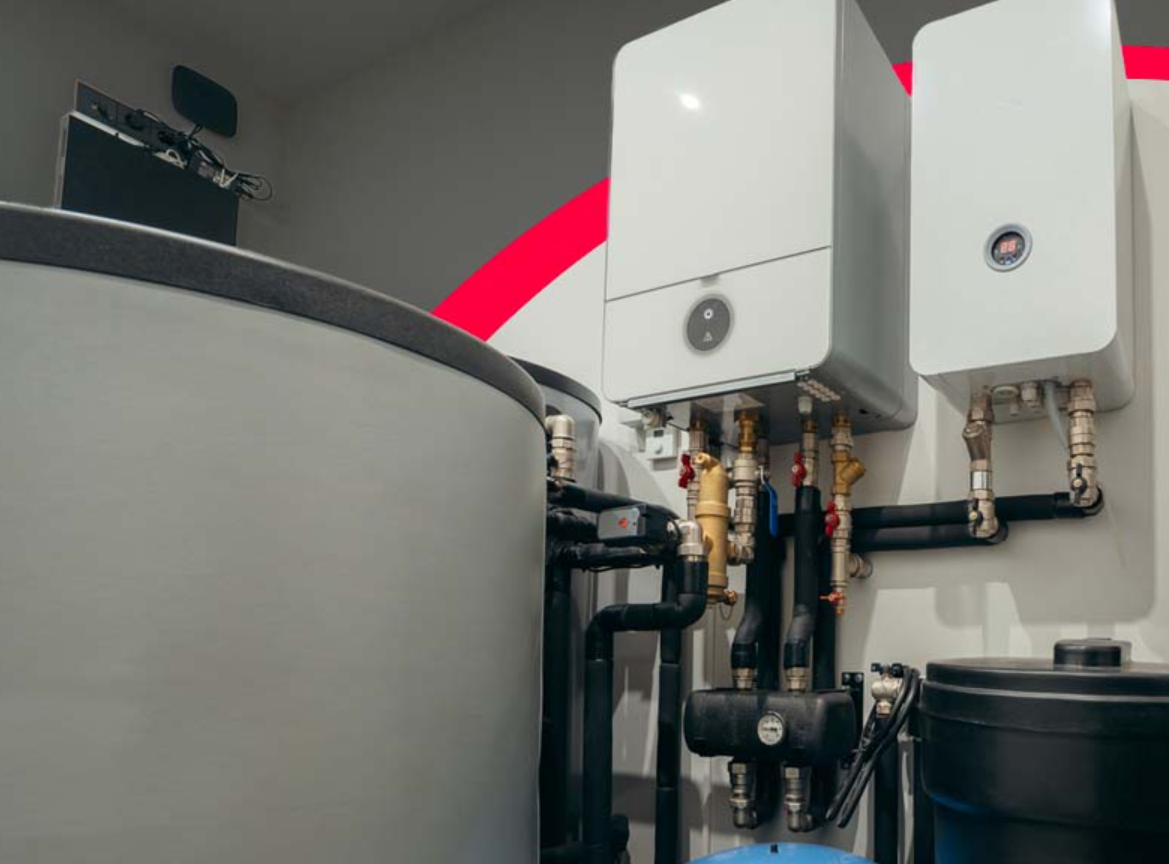
If one room is hotter than the rest, it can be fixed. Book a diagnostic with One Hour Heating & Air Conditioning. The visit will pinpoint why that room runs hot HVAC contractor and deliver a clear path to even, comfortable air across the entire home.
Name: One Hour Heating & Air Conditioning
Address: 1360 Union Hill Rd ste 5f, Alpharetta, GA 30004, United States
Phone: +1 404-689-4168
Website: onehourheatandair.com/north-atlanta/areas-we-service
Find Us on Google: Google Business Profile
Social Profiles: Facebook | X (Twitter) | Instagram | Pinterest | YouTube